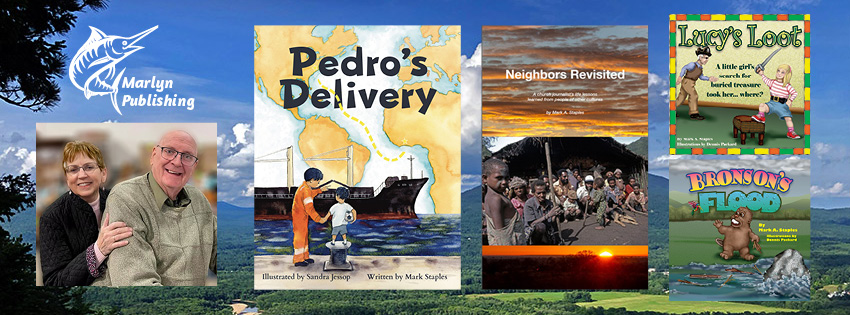


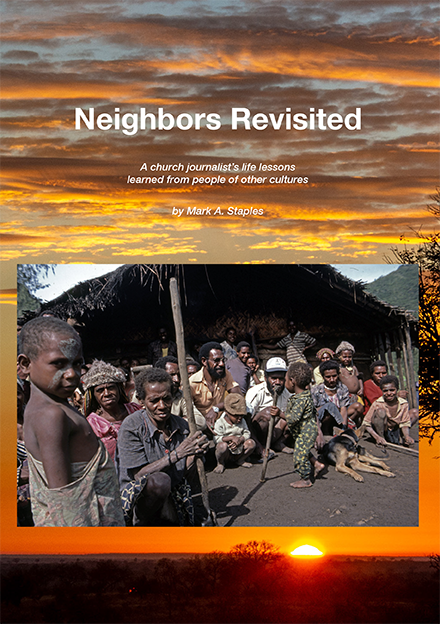
 Mark and Lynn’s daughter, Beth, helped to launch Mark’s late life book publishing vocation by suggesting the idea for the Neighbors Revisited memoir. She had read the author’s autobiography written for family and liked the segment on his photojournalistic overseas assignments. Beth, a tenured professor at Washington & Lee University, teaches creative writing and publishing at the school. She is also the first woman to manage The Shenandoah, the university’s literary journal.
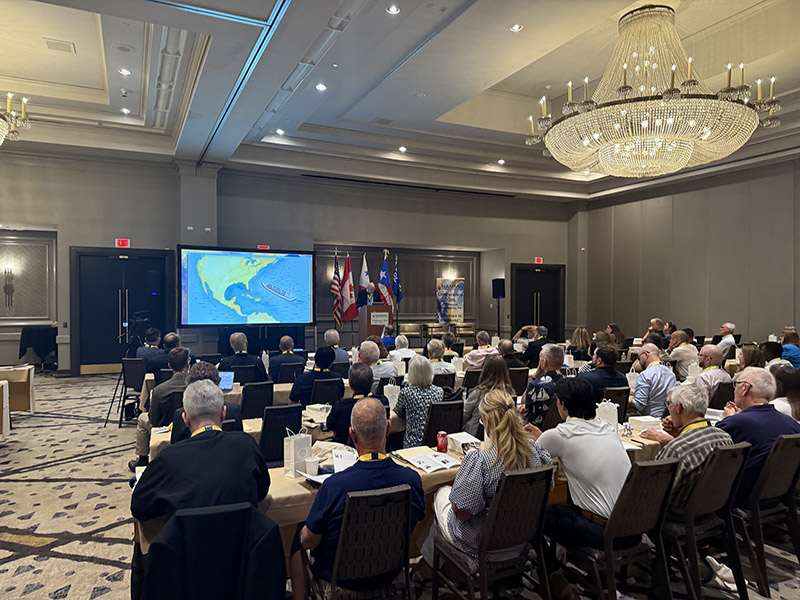
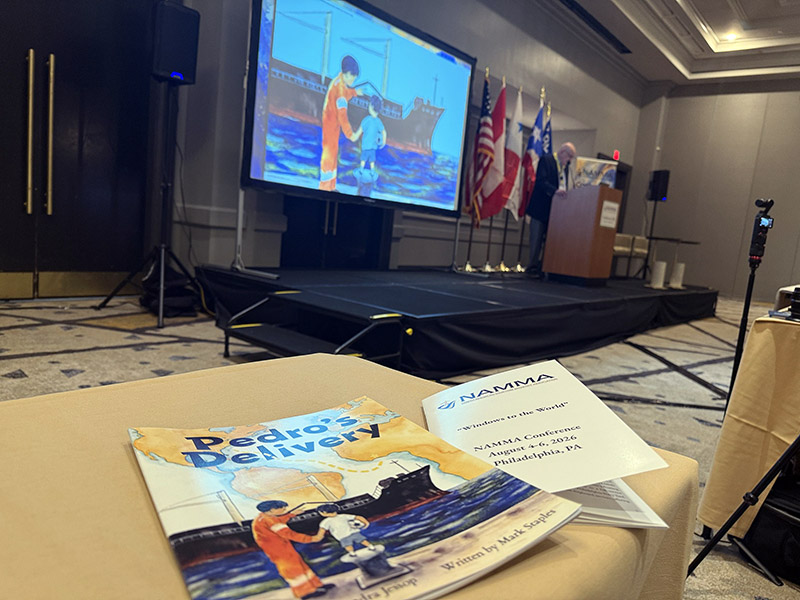
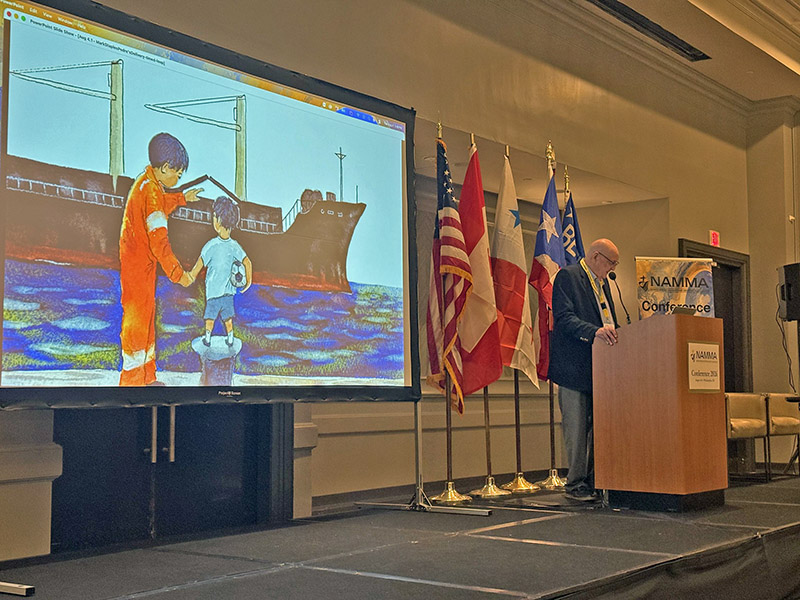
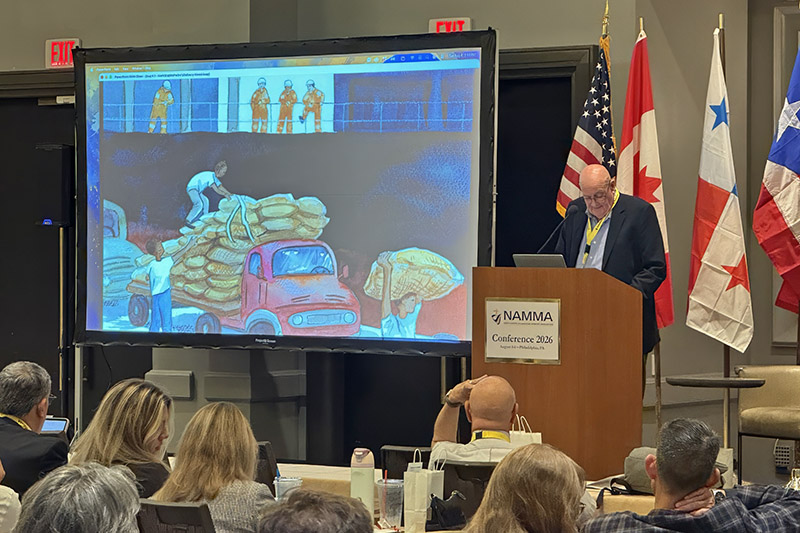
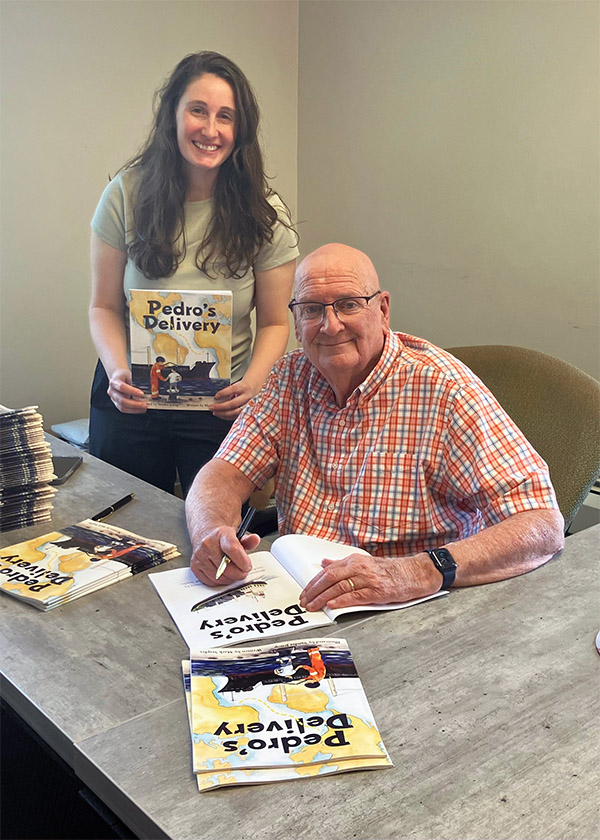
I continue to speak to groups about my newest book, Pedro’s Delivery, (Pink Umbrella Books, 2026). Increasingly folks will ask me about the plight of commercial ship seafarers, so many of them Filipino, in the Strait of Hormuz. My heart is heavy as I think about the wartime conditions on the waters near Iran.
First, I am struck by the number of folks I encounter who haven’t even heard of the Strait of Hormuz. Not everyone follows the news. And I understand how busy folks are these days. But never heard of it?
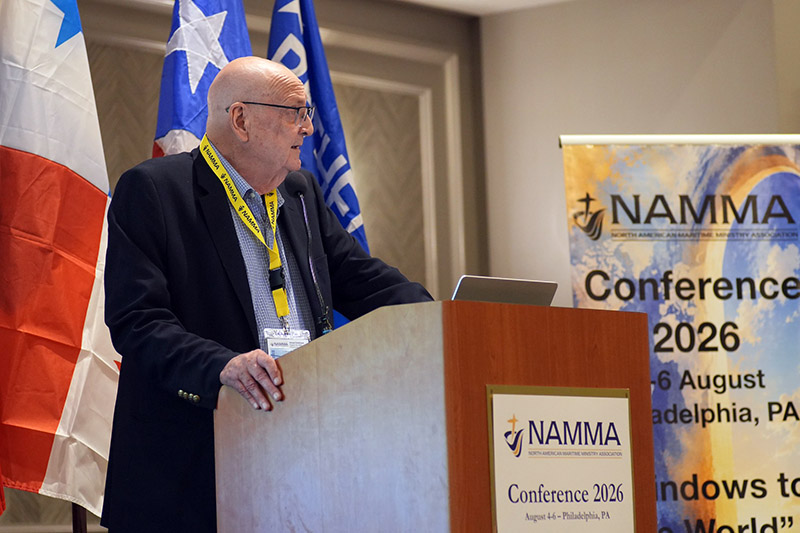
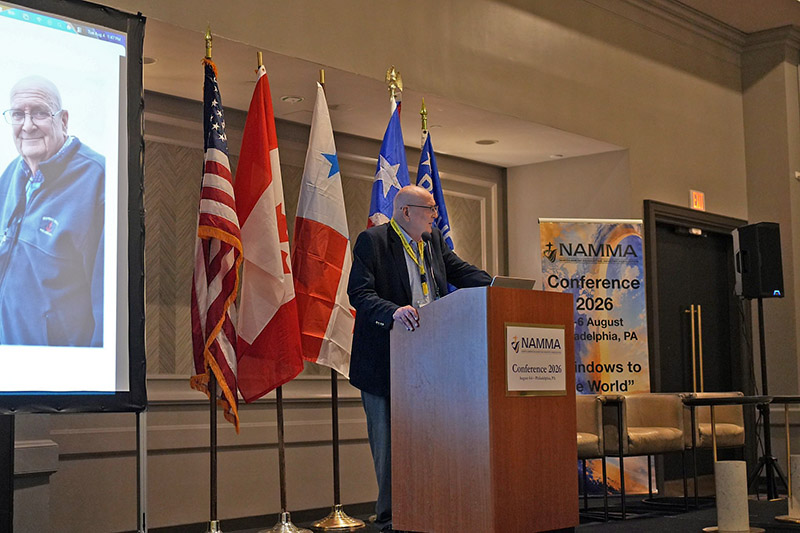
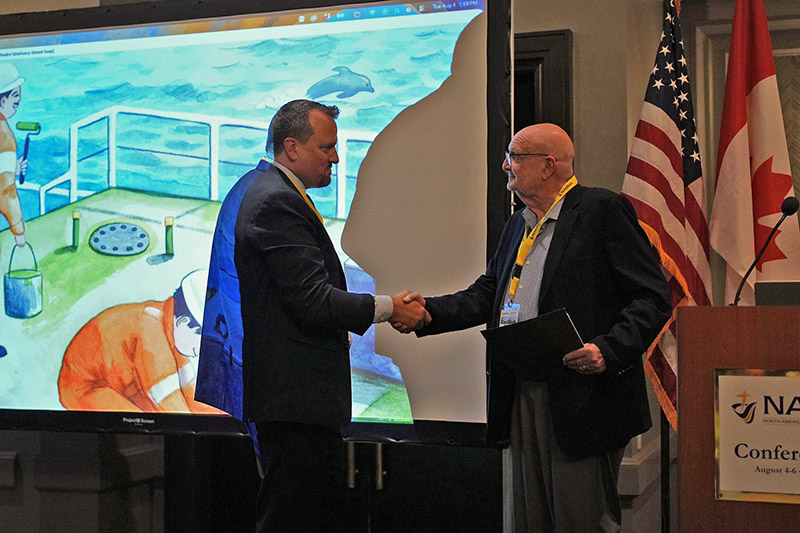
I now subscribe to the “Strait of Hormuz Updates” compiled weekly by the International Christian Maritime Association. (subscribe here) It comes with a note from Jason Zuidema, who oversees the North American Maritime Ministry Association, the group I made remarks to about my book Aug. 4 during their convention in Philadelphia.
I like the updates so much because the compilation relies on multiple sources.
Jason noted Sept. 10 that the Gulf conflict was intensifying at his writing. Iran launched missiles at U.S. warships and forces in Jordan. The U.S. responded by destroying eight Iranian oil tankers. Commercial traffic through the strait has not stopped but is limited. In short, the war is not over and appears to have no end in sight.
I won’t cite all the sources here, but a paragraph from UN News cited in Jason’s update especially caught my attention:
Ships and seafarers increasingly caught in the crossfire of unrelated wars
“Four regions – the Strait of Hormuz, the Red Sea, the waters off Somalia and the Black Sea – are now simultaneously active theatres of danger, on a scale the shipping industry has not seen before. Vessels and seafarers are being trapped and attacked in conflicts that have nothing to do with the ships themselves.”
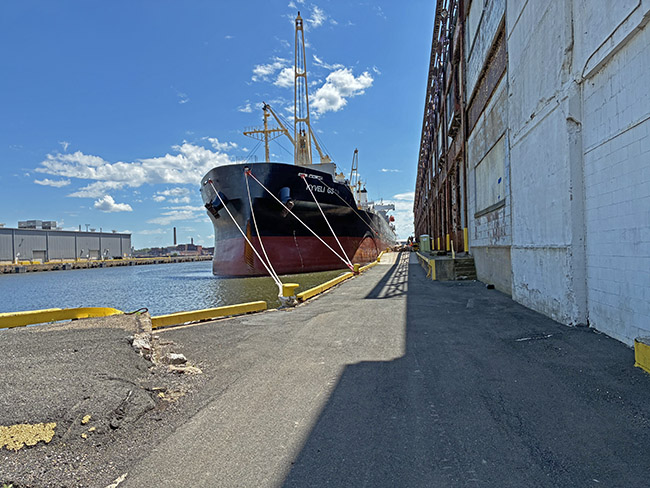
At least 70 cargo ships have been attacked since the war with Iran began, and 19 seafarers have been killed. Recent statistics suggested that even though limited traffic is accessing the Strait an estimated 400 cargo ships and as many as 6,000 seafarers are in limbo nearby. Getting them on and off ships as contracts begin or expire and getting seafarers provisions when they are not in port is much more costly than usual. Shipping is getting harder to insure.
These realities should deeply concern us. I’m asking you, dear readers, to pray for the safety of innocent seafarers. They do so much for us. In addition, their plight is becoming our predicament too. Because it is getting harder for seafarers to “deliver the goods” to us, including much needed fertilizer for farmers, our costs are bound to increase dramatically in the uncertain months ahead.
You can read the original reflection Hormuz Heartache here.